NHH researchers break all previous Records
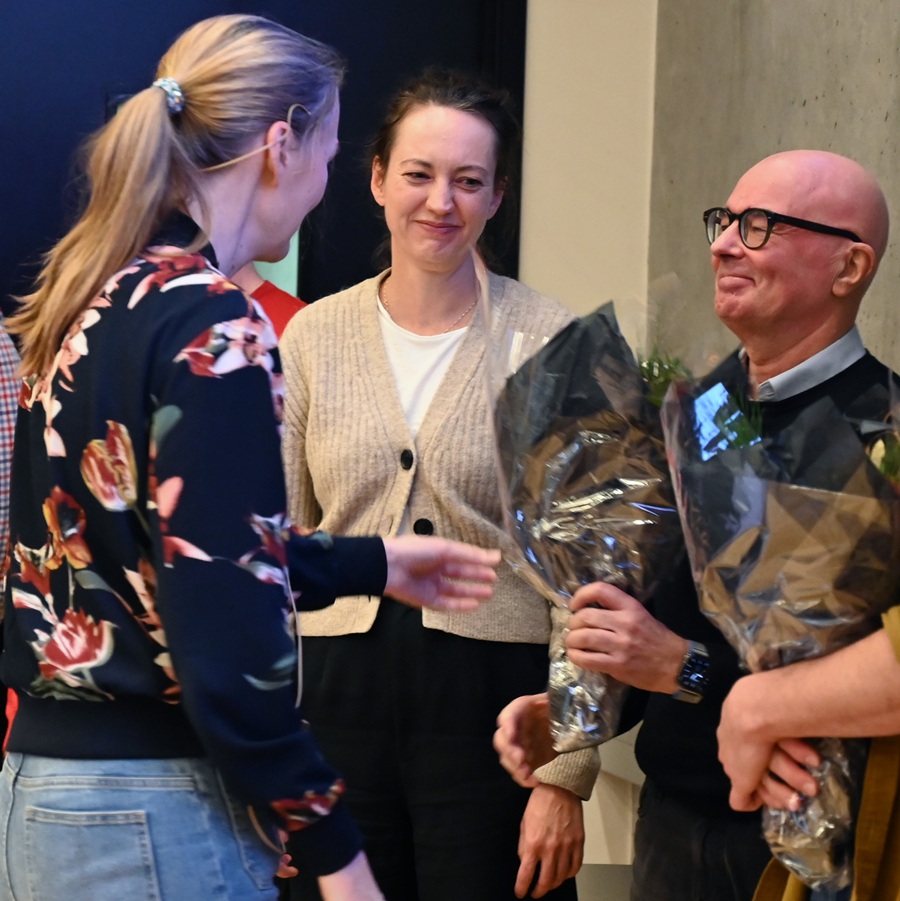
With 22 articles in the world’s top-ranked journals, 2025 marks NHH’s strongest publication year to date.
The Research Council is making a major investment in NHH: two research projects will each receive NOK 12 million to study power in the labour market and the long-term consequences of environmental policy for health and inequality.
Some of Norway’s leading researchers are now receiving funding for innovative research. Two major projects at NHH have been awarded NOK 12 million each by the Research Council of Norway.
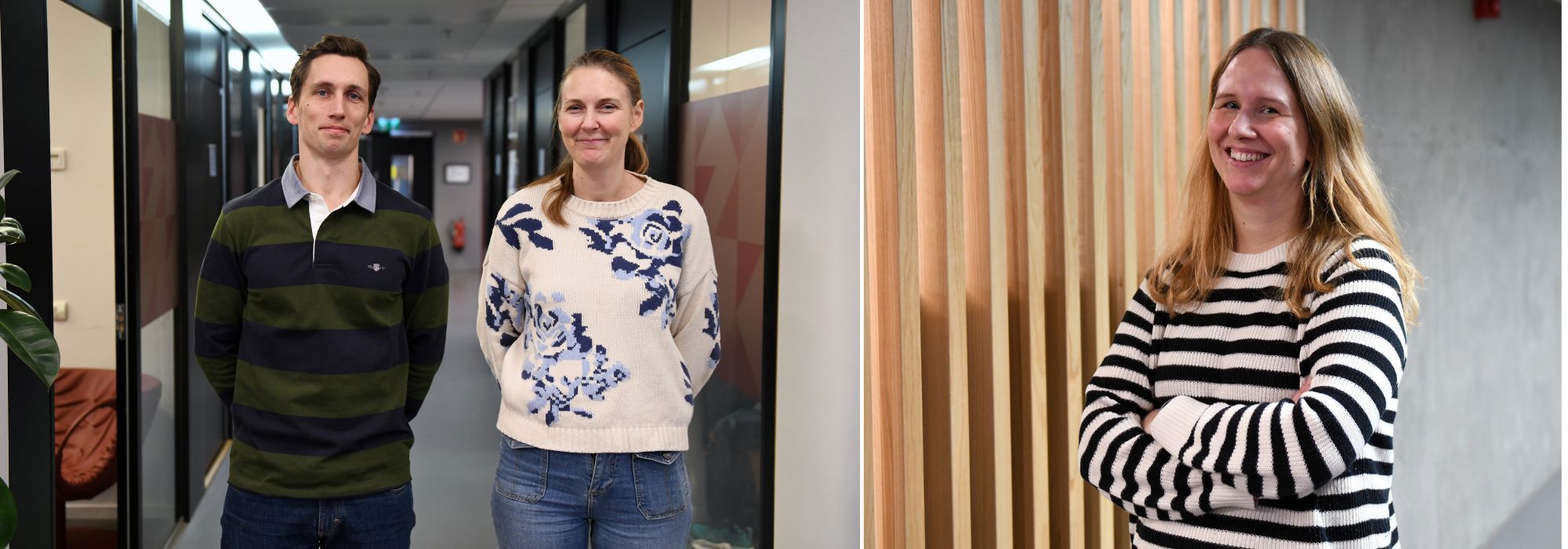
Professors Aline Bütikofer, Katrine V. Løken, and Alexander Willén have been awarded FRIPRO funding, a scheme supporting research projects led by experienced researchers. All three are affiliated with the Department of Economics and Norwegian Centre of Excellence FAIR.
`By prioritising quality and bold research ideas, we strengthen our ability to adapt and further develop society,´ says Mari Sundli Tveit, CEO of the Research Council of Norway.
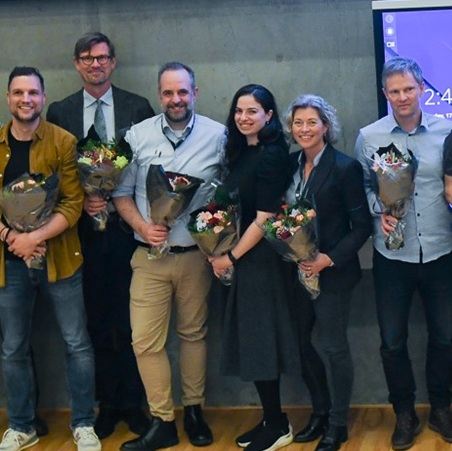
In total, the Research Council is funding 19 new projects, each receiving between NOK 6 and 12 million. Both NHH projects received the maximum level of funding.
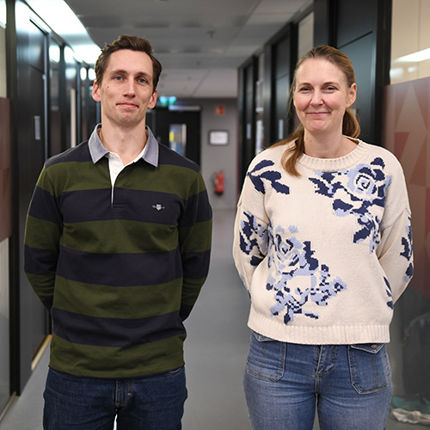
The project Labor Market Power, Institutional Structures, and Social Consequences, led by Katrine V. Løken and Alexander Willén, will examine how the balance of power in the labour market affects everything from organisational culture to inequality—and how smarter policy design can help build a more resilient society.
The study will be conducted in Norway, using rich Norwegian administrative register data.
Løken is eager to get started:
`It’s great to receive funding for this type of research. We now have the opportunity to collect new data, which is very exciting.´
The project includes several international researchers as well as Professor Manudeep Bhuller from the Department of Economics at the University of Oslo.
The relationship between employers and employees is about more than wages and job titles, Løken emphasises.
`It also matters for health, safety, and even crime rates in society. When employers gain too much power, it can lead to poorer working conditions, weaker mental and physical health, and a higher risk of social unrest,´ she says.
`We aim to develop a new framework that shows how power imbalances in the labour market affect everything from organisational culture to inequality—and how better-designed policies can help build a more robust society.´

Professor Aline Bütikofer has received funding for the project Pollution and Health Inequalities: New Perspectives on Long-Term Distributional Consequences of Environmental Policies.
`Fantastic news,´says the pleased NHH professor.
She is joined on the project by Professor Kjell Gunnar Salvanes and postdoctoral researcher Nicole Wägner, at the Department of Economics.
`We are really looking forward to getting started.´
At a broad level, the project examines the consequences of environmental policy. More specifically, the researchers will study how pollution affects both health and human capital.
`The idea is to take a long-term perspective in order to answer questions about the lasting effects of pollution,´ says project leader Bütikofer.
One example is the measures introduced to combat acid rain in the late 1970s and early 1980s, or the closure of highly polluting waste incineration plants.
`We aim to understand when in the life course pollution is most harmful, and why policy changes that reduce pollution have different effects for high- and low-income groups.´
Research in this area remains limited, Bütikofer notes.
`There is some existing research, but very little on the long-term effects of pollution. We believe we can contribute important new knowledge with significant implications for the design of environmental policy.´