
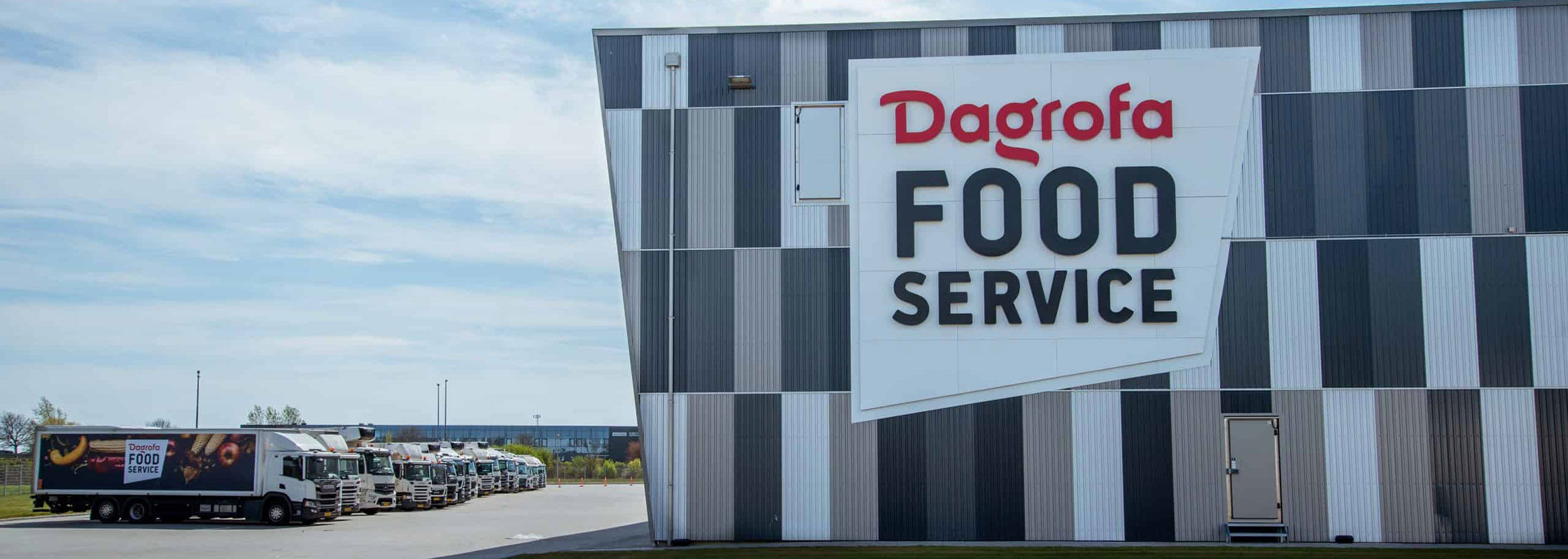
Dagrofa: “Branded products must return – but only if the price is right”
Danish Dagrofa will focus on branded products and sends a clear message to its suppliers during initial annual negotiations: Price can be decisive for justification on the shelf.
When buyers in various parts of the Dagrofa group are currently sitting down with suppliers and negotiating next year's agreements, it is with one central goal in mind. They want to regain volume on branded products, writes Retail News, a business magazine.
Although private label products continue to gain ground and generally have something that grocery chains love - high margins - Dagrofa has turned its eyes in a different direction.

“Branded suppliers have continued to help differentiate our supermarket formats on the retail side. That is why we want them to be part of our range going forward. We need more product innovations and more concept development,” says category manager at Dagrofa, Jesper Bjerring, in an interview.
The increased focus however does not come without a tough talk about charges of branded products. In many cases they have become far, far too pricy, and this may have an impact on their justification for being on the shelves.
Demands greater responsibility for campaigns
Not only are competitive prices important in relation to the progress of private labels in the market, but Danes are also flocking to offers like never before.
According to figures from Kauza[i], which continuously analyses digital receipts from Danish households, the proportion of goods sold on sale has grown by 30 percent compared to 2021.
Continuous negotiations are the new wine
Where price negotiations between grocery chains and suppliers normally take place at annual negotiations in the autumn, Dagrofa operates a slightly different flexible model, where negotiations take place on an ongoing basis and can be concluded at relatively short notice.
Dagrofa also made use of this flexibility earlier in the summer, because the "warning lights" for price increases on branded products in particular were flashing. For the same reason, it is precisely prices that Jesper Bjerring will press suppliers on the most in the ongoing negotiations.
“When we talk about focusing on the range in the future, we also have to discuss the justification on the shelves if a product does not perform because the price has simply become too high,” Bjerring stresses.
“It must be attractive to shop in our supermarkets, and price is a crucial factor when you compare it to the private label development. If anything, our focus on range and range development together with the brand suppliers will only become even more important towards 2026.”
This is Dagrofa
- Dagrofa has over 530 grocery stores distributed throughout Denmark.
- Dagrofa is behind the grocery stores Meny, Spar, Min Købmand and Let-Køb.
- Dagrofa also owns Dagrofa Logistik and Dagrofa Foodservice, which are suppliers to restaurants, hotels, and canteens.
- The Dagrofa group has a total of over 14,000 employees.
- NorgesGruppen own 48,9% of Dagrofa
Grocery Brand Portfolio – an attempt at a typology
| Category | Key Traits | Examples (Groceries) | Role in Portfolio |
|---|---|---|---|
| Iconic Brands | Globally recognized, strong brand equity, cultural status | Coca-Cola, Heinz, Kellogg’s | Build prestige, drive brand awareness and trust |
| Power Brands | High loyalty, price premium, frequent repeat purchases | Freia, Toro, Nescafé | Core revenue drivers, defend market share |
| Strategic Brands | Innovation-led, open new categories, future-oriented | Oatly, Naturli’, Beyond Meat | Shape future positioning, attract new segments |
| Private Labels | Retailer-owned, often mimic national brands, margin-friendly | Coop Xtra, REMA 1000, First Price, Eldorado, Grans | Boost retailer margins, offer alternatives to national brands |
| Private Premium Brands | Retailer-owned, premium quality. Often best in the market | Jacobs, Tesco Finest, Taste The Difference, Trader Joe’s, Änglamark | Build store loyalty |
Sources: Dagrofa, Retail News, NHH Food, NorgesGruppen
[i] Kauza helps brands understand shopper behaviour through real-time data, predictive analytics, and actionable insights to improve retail performance. Kauza is owned by Kantar and competes with the more well-known Nielsen, but they have their strengths in slightly different areas.