
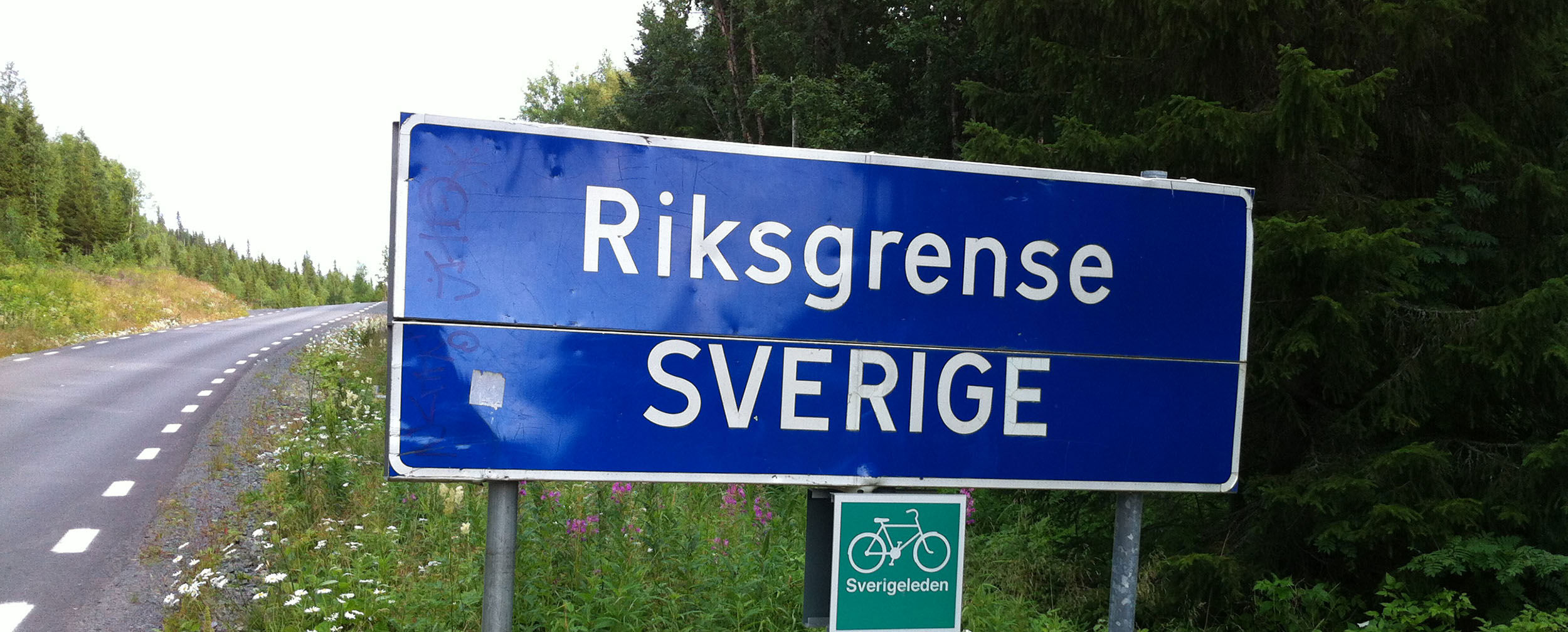
Crisis on the Norwegian border – jubilation in Sweden
A planned Swedish cut in food VAT could lead to a dramatic price jump between Norway and Sweden. Norwegian border shops fear that even more Norwegians will make their shopping trips to Sweden.
Sweden is now considering reducing VAT on food products further, and it is not only Swedish households that are following this process with interest. The discussion is also running high on the Norwegian side of the border. For Norwegian merchants in Halden, Aremark, Marker and the rest of the border strip, such a move could be an economic earthquake.
Sweden already has significantly lower food VAT than Norway. While Norwegians pay 15 percent, the Swedes pay 12 percent. A further cut – as is now decided – will exacerbate a price gap that already drives hundreds of thousands of Norwegians across the border every year. According to Virke, an interest organization for trade, over 16 billion kroner was traded in Sweden in 2023. A new VAT cut could send the figure to new heights.
Price gap could become “impossible to compete with”
For Norwegian merchants along the border, the situation is already demanding. They are competing not only with lower Swedish prices, but also with very large border stores, a wider selection and a shopping experience that many Norwegians associate with “cheap and easy”. And perhaps not least, as a positive shopping experience versus “boring” local Norwegian discount stores.
A further VAT cut will make it almost impossible for Norwegian players to match prices, several industry experts believe. A Norwegian merchant must also deal with higher labour costs, stricter regulations and a tax level that is far above the Swedish one. When the price difference increases, margins become thinner – and customer flow weaker.
Border trade could explode
Border trade is not just a question of price. It has become a culture. A weekend trip to Nordby or Charlottenberg is a regular routine for many. But when price differences increase, even those who usually shop locally are tempted to make the trip. Then it will not only be "border residents" who shop at Svensson. Already now many Norwegians come all the way from Oslo and even further away to shop groceries in Sweden, these numbers will increase.
A VAT cut will make Swedish food products even more attractive, especially basic goods such as meat, dairy, bread and snacks - products that already top the shopping lists of Norwegians in Sweden. The result could be a new wave of trade leakage, greater than the one we saw after and pre pandemic.
Norwegian stores may have to cut employees
For Norwegian grocers, the consequences are not only lower turnover. It is also about jobs. Many border stores are large workplaces in small local communities. When revenues fall, it is often the staff that goes first. In addition, lower turnover can lead to a reduced product range, fewer investments and poorer offers to the local population. This creates a negative spiral that makes the stores less competitive.
The state loses - Sweden wins
It is not only the business sector that is affected. The state also loses large sums of money when Norwegians go shopping in Sweden. A VAT cut would make the leak even bigger and thus weaken Norwegian tax revenues even further. On the other hand, spme will say that the Norwegian state has more than enough money, so lost revenue is a minor problem for the Minister of Finance, Jens Stoltenberg. Sweden, on the other hand, can look forward to increased trade, stronger border municipalities and greater activity in the retail industry and som compensation in VAT also from new Norwegian border shoppers.
Cross-border trade will explode in Østfold
For Norwegian politicians, this is a tricky situation. Should food VAT be lowered in order to compete? Or accept that cross-border trade is increasing?
Professor emeritus Odd Gisholt has no doubt. The areas close to the border will experience a lot of pressure when the Swedes reduce VAT to 6 percent while the Norwegian authorities sit completely still. Frp and Sp want to reduce VAT in Norway, but if they don't get Ap and Høyre on board - then nothing will happen on the Norwegian side, Gisholt concludes.
“Sunday open shops, cheaper wine, snus and tobacco. Cheaper meat, cheese and much more. There are many reasons to shop in Sweden, says Gisholt to NHH. “Axfood and Konsum are more ready than ever to welcome more Norwegians on a shopping trip. But there is reason to emphasize that Coop and NorgesGruppen as well as Thon also have significant interests on the Swedish side. There they will make up for some of what they lose in Norway.”
Increased cross-border trade - not just a downside
From a Norwegian perspective, increased Swedish trade is not just negative. It increases competition in Norway and helps to push down the prices of Norwegian groceries - after all, it is a positive effect when inflation threatens. And Norwegian cross-border consumers gain in consumer surplus.
When will the VAT cut come?
- Start date: April 1, 2026
- End date: December 31, 2027
- Change: Food VAT reduced from 12% → 6%
- Type: Temporary arrangement adopted by the Riksdag
Sources: Axfood, Konsum, ICA, DN, Fri Köpenskap, NRK, Virke.