
Experiment: We think wine tastes worse when told it’s from light bottles
Wine is perceived as less enjoyable when we’re told the bottle is climate-friendly, new research shows. Information can trick our sense of taste.
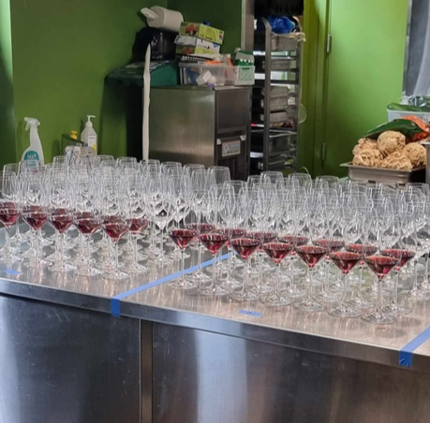
At a wine bar near Bergen station, small pours of red wine are lined up glass after glass. Around long tables sit enthusiasts with cleansed palates, ready for tasting. It could easily be mistaken for a club night for wine nerds.
But in reality, it's a research experiment.
Two questions are at the heart of the study:
- Does what you're told about a wine affect how it actually tastes to you?
- Can a simple label such as 'biodynamic' or 'climate-friendly bottle' change the tasting experience?
‘We wanted to see if “sustainability” makes people think differently about whether a wine is good or not.,' says NHH researcher and PhD candidate, Rieke S. Kohn.
Two groups
The participants were wine enthusiasts, not just random test subjects.
Each participant tasted three rounds of wine. In each round, they were given three glasses: two conventional wines and one sustainable. The wines were carefully selected to taste as similar as possible.
Participants were asked to rate them from 1 to 9 based on how much they liked them.
Three types of sustainability were tested:
- wine with ethical production
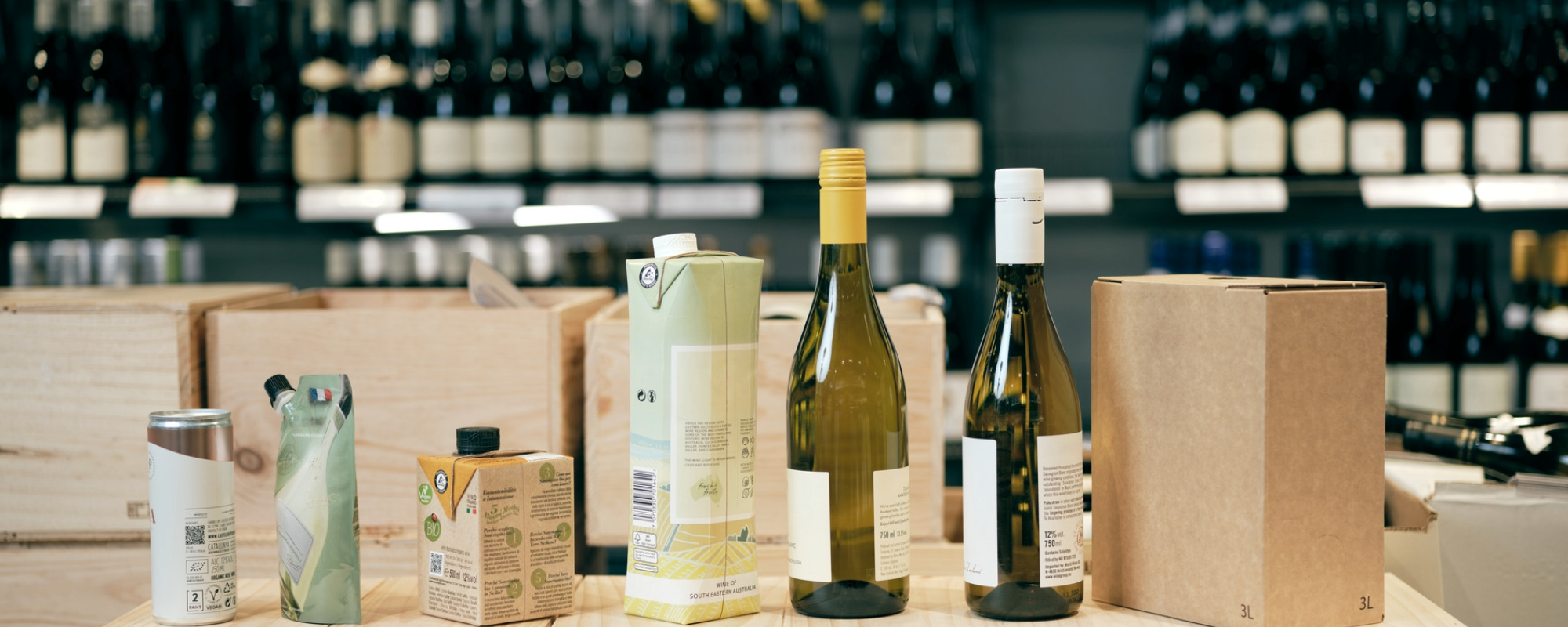
- wine with climate-friendly packaging (light glass bottle)
- wine labeled as biodynamic
Half of the participants tasted the wines blind. The other half were told which wines were sustainable, and in which way.
The tastings took place over several evenings in the same wine bar.
Biodynamic up, light bottle down
When comparing the scores of the blind and the informed participants, the researchers discovered clear patterns:
- The same wine was rated substantially higher when respondents were informed about it being biodynamically produced.
- Climate-friendly packaging was rated significantly lower, even though the wine was identical
- Ethically produced wine had no significant impact on perceived taste
The findings suggest that we associate biodynamic wine with 'good taste.'
Biodynamic production is often described as 'organic plus' – a more holistic way of producing wine, focusing on nature, soil, and natural cycles, without synthetic chemicals.
For wines in climate-friendly packaging, the effect is the opposite. Lighter bottles and alternative packaging reduce emissions but seem to lower the perceived quality.
This is despite studies showing that such packaging does not affect the actual taste of the wine.
Surprising
'I think it’s a lot about tradition,’ says Kohn.
She points to earlier research that suggests drinkers tend to associate the weight of the bottle with quality.
‘But such connection simply isn’t real,” she says.
Kohn finds the results both clear and surprising. In surveys, consumers often say sustainability does not matter much when choosing wine for the weekend.
“This experiment, however, shows that information about sustainability still shapes how we perceive the wine,” she says.
Useful research
The research has clear relevance for Vinmonopolet, which has an ambitious sustainability strategy. By 2030, emissions linked to the products it sells are set to be reduced by 42 percent. A large share of these emissions comes from packaging, making lighter packaging a key part of the solution.
As of the new year, a new requirement was introduced: all still wines priced below NOK 250 must be sold in lighter glass bottles or alternative packaging weighing no more than 420 grams.
The findings from the experiment are already influencing how Vinmonopolet approaches in-store labeling, says Marte H. Stabbetorp, Senior Advisor for Sustainability.
‘The research shows clear differences between biodynamic products, climate-smart packaging and ethical certification. When it comes to climate-related measures, the results suggest that consumers are unlikely to drive the necessary shift on their own. That makes industry requirements, such as lighter bottles, crucial. For biodynamic products, however, we see that consumers can play a more active role,’ says Stabbetorp.
Vinmonopolet is well aware of the widespread belief that heavier bottles signal higher quality.
‘We have seen this ourselves in internal tastings among employees, even when the contents were identical. We actively use these findings in training, so that staff can challenge these assumptions when speaking with customers,’ she adds.
‘There has been some criticism and debate around climate-smart packaging. How have customers responded?’
‘There has naturally been some attention around the media coverage, but beyond that we have received relatively few reactions from our customers. That is positive for us: it suggests that the transition to lighter bottles has, for the most part, been unproblematic.’