Using risk to unlock private climate investment
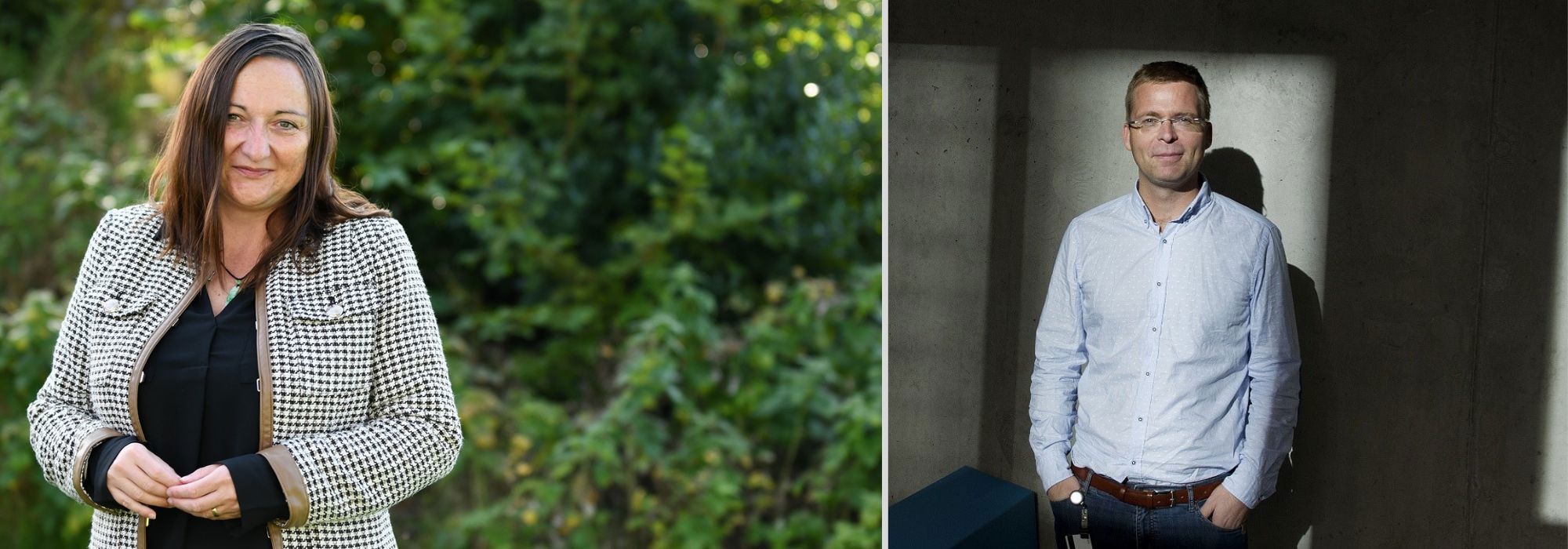
Public funding alone is not enough. At the Karl Borch Lecture, Columbia professor Caroline Flammer explains how governments can mobilise private capital through risk-sharing.
Karl Borch Lecture
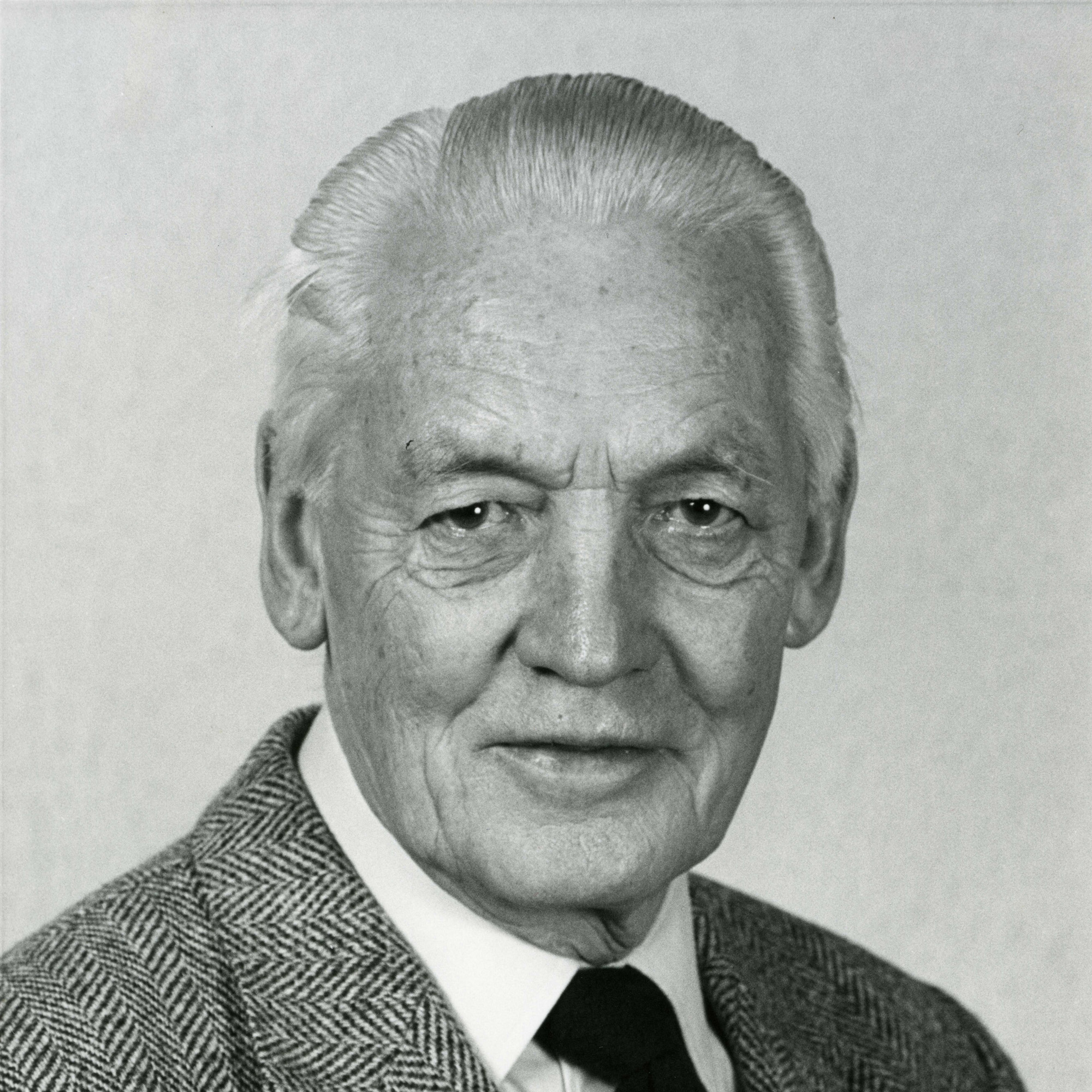
The Karl Borch Lecture is an annual lecture series in which leading international researchers present current and relevant research. The series was established in 2002 by the Department of Business and Management Science in honour of Karl Borch.
This year’s lecture addresses one of the central questions in sustainable finance:
How can governments use risk – not just money – to crowd in private investment in climate and nature-related projects?
Rafto Professor in 2023
Caroline Flammer is Professor at Columbia University and among the most highly cited researchers internationally in the field of sustainable finance. In 2023, she became NHH’s first Rafto Professor, affiliated with the Department of Accounting, Auditing and Law.
Investment needs related to climate, nature and the green transition are enormous, while public budgets are under increasing pressure. Many projects are socially necessary yet remain unattractive to private investors.
According to Flammer, this is partly because much of the value creation takes place outside the market. The benefits accrue to society, rather than directly to investors. At the same time, such projects are often characterised by high-risk, long-time horizons and uncertain regulatory and institutional frameworks – particularly in emerging economies.
Friday 6 February, 10:00–11:45. Auditorium Karl Borch, NHH
The lecture is organized in partnership with Argentum.
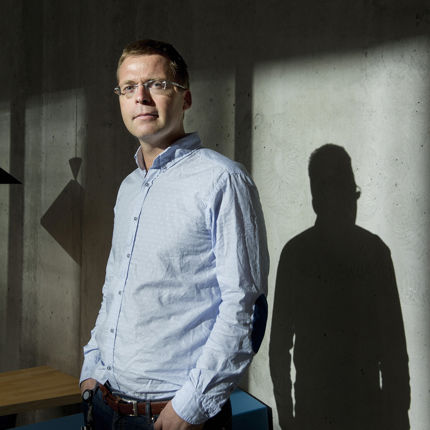
Professor Trond M. Døskeland at the Department of Business and Management Science looks forward to Flammer’s lecture and to seeing how these challenges play out in practice at a state-owned investment fund.
`Her theories will be illustrated through examples from the Climate Investment Fund, managed by Norfund, ´ he says.
The Economics of Blended
Finance
Flammers ’s lecture is based on her study The Economics of Blended Finance. In this work, Flammer and her co-authors analyse how so-called blended finance – a strategic combination of public, multilateral and private capital – can mobilise large-scale private investment in projects with environmental and social benefits.
Rather than relying on pure subsidies, the focus is on risk-sharing, guarantees and financial structures that make projects investable. Flammer’s research shows that public capital can be used far more strategically to mobilise private capital, without the state bearing the full financial burden.