The impact of the closure of the strait of Hormuz
As tensions escalate around the Strait of Hormuz, Europe and Norway face the risk of disruptions to critical energy and shipping routes.
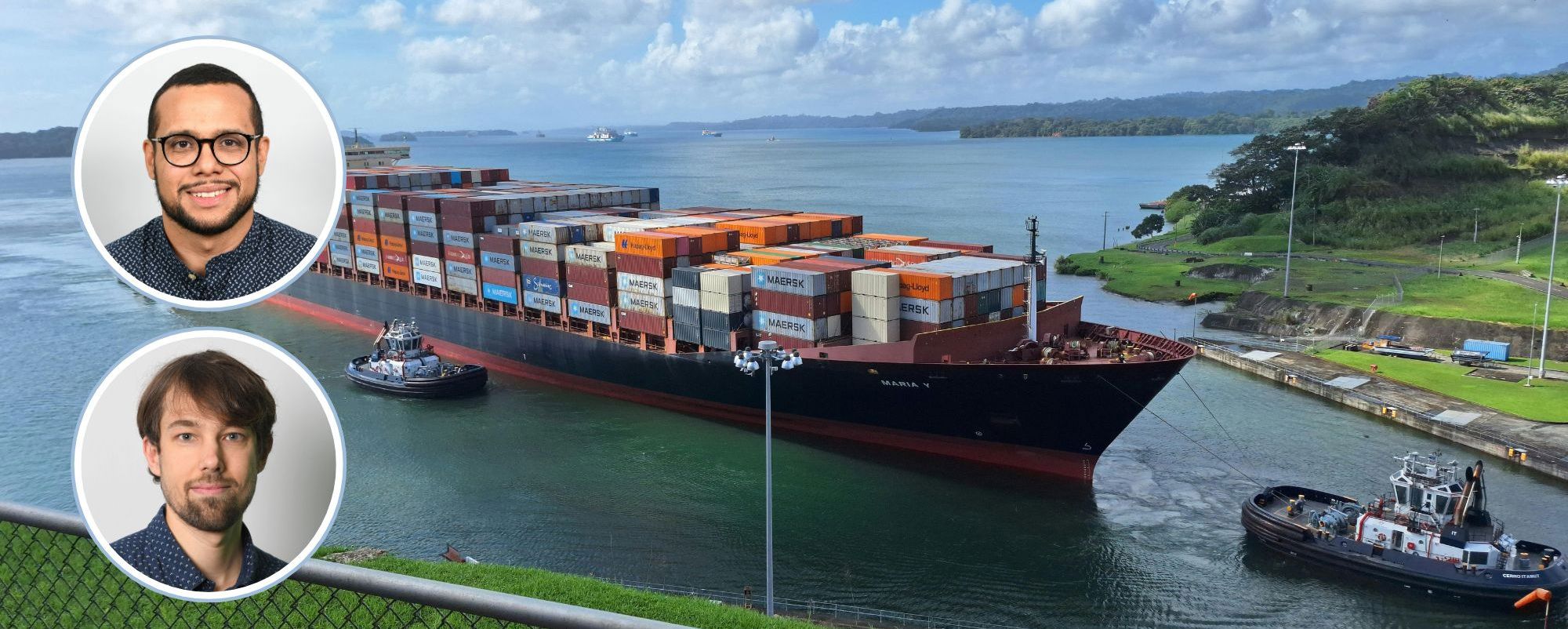
In 2026, there is a risk that several disruptions will hit at the same time, potentially triggering one of the biggest shocks to global shipping in modern times.
The closure of key shipping routes is becoming an increasingly powerful tool in global politics.
The crisis in the Strait of Hormuz has sent shockwaves through global energy markets. Few places matter more to the world’s oil and gas trade than this narrow passage.
Over the longer term, there is reason for even greater concern. What we are now seeing in Hormuz may be the beginning of a far larger “perfect storm”, in which geopolitical conflicts and climate-related disruptions unfold simultaneously.
Forecasts from the US agency NOAA, which monitors the oceans and the atmosphere, were recently published. They show a 62 per cent probability that El Niño conditions will develop in the second half of 2026. This implies a higher risk of extreme so-called super El Niño events. According to The Washington Post, these could be the strongest seen in 140 years.
If that happens, the consequences for global trade will be enormous.
The reason is that one of the world’s most important trade routes, the Panama Canal, depends on freshwater to fill its locks. El Niño brings less rainfall to the region. When water levels fall, this limits both the number of ships that can pass through the canal and the amount of cargo they can carry, which becomes very costly for shipping companies. We got a preview of this in 2023.
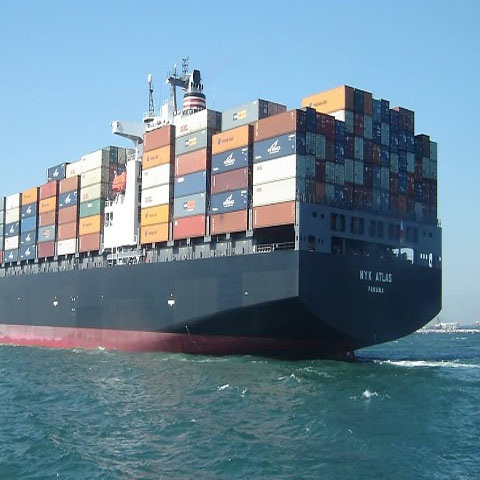
The greatest risk arises if these disruptions occur at the same time, especially if traffic through Hormuz remains restricted for a prolonged period. In that case, the effects will reinforce one another. Energy deliveries will be delayed at multiple stages, and rerouting ships around Africa via the Cape of Good Hope will increase both transit times and costs.
There are also risks tied to the trade routes through the Suez Canal and the Red Sea. Taken together, this could trigger one of the biggest disruptions to global shipping in modern times.
For Norway, the picture is mixed. As a major exporter of oil and gas, the country will benefit from higher energy prices. But in a globalised economy, high energy prices and geopolitical turmoil also mean higher inflation and greater uncertainty for Norwegian consumers.
All of this also has implications for the climate.
New reports show that reduced LNG supply through the Strait of Hormuz has contributed to higher coal production and coal imports in Asia. This could create a negative climate feedback loop: El Niño intensifies climate change, while the trade disruptions that follow contribute to more emissions-intensive energy use.
At the same time, this may be the right moment to invest more in domestic renewable energy capacity. That would both reduce vulnerability in supply chains and help make the economy greener.
This article was first published in Finansavisen.