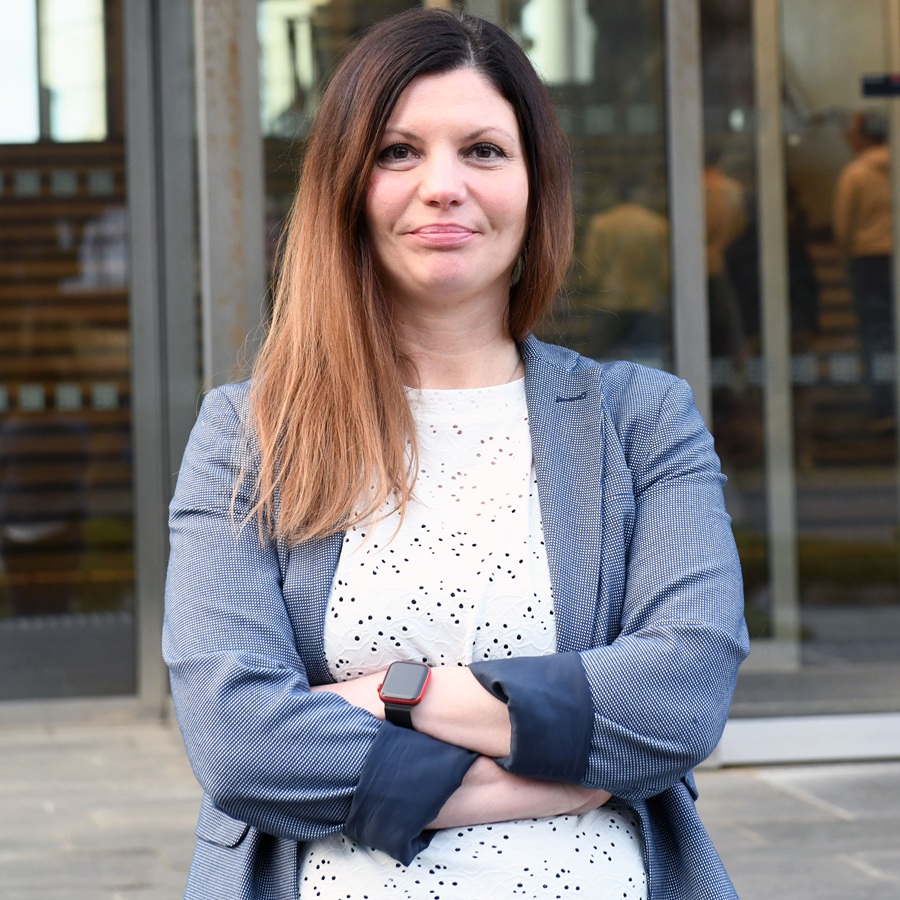
The management often treats the controls as neutral and objective.
Yosra AleAhmad

A NHH study shows that the everyday systems used to manage employees play a significant role in sustaining gender inequality over time.
`Organisations do not produce gender inequality by a single biased decision or policy, but by interconnected systems of control that shape careers from hiring to promotion, ´says Yosra AleAhmad, Assistant Professor at the Department of Accounting, Auditing and Law.
The management often treats the controls as neutral and objective.
Yosra AleAhmad
In a new paper co-authored by Ioana Lupu, AleAhmad takes a step back from individual outcomes and asks two more fundamental questions:
How do management controls reproduce gender inequality?
Why do gender-disadvantageous control mechanisms persist and reinforce each other over time?
Rather than analysing a single organisation or one policy, the researchers conduct an extensive literature review of more than one hundred studies spanning accounting, management, sociology, psychology, and gender studies.
Management Controls and the Reproduction of Gender Inequality: A Review and Research Agenda Yosra AleAhmad and Ioana Lupu. An integrative review of interdisciplinary research (between 1990 and 2021) on gendered organisations and the concept of inequality regimes.
Their conclusion is that inequality is often built into the systems organisations use to govern work.
Management controls are the tools organisations use to align employee behaviour with organisational goals. They range from performance evaluations and promotion criteria to organisational structures, cultural norms, and expectations of “professional behaviour”.
The review identifies three broad categories of management control that are particularly important:
`The management often treats the controls as neutral and objective, ´ AleAhmad explains.
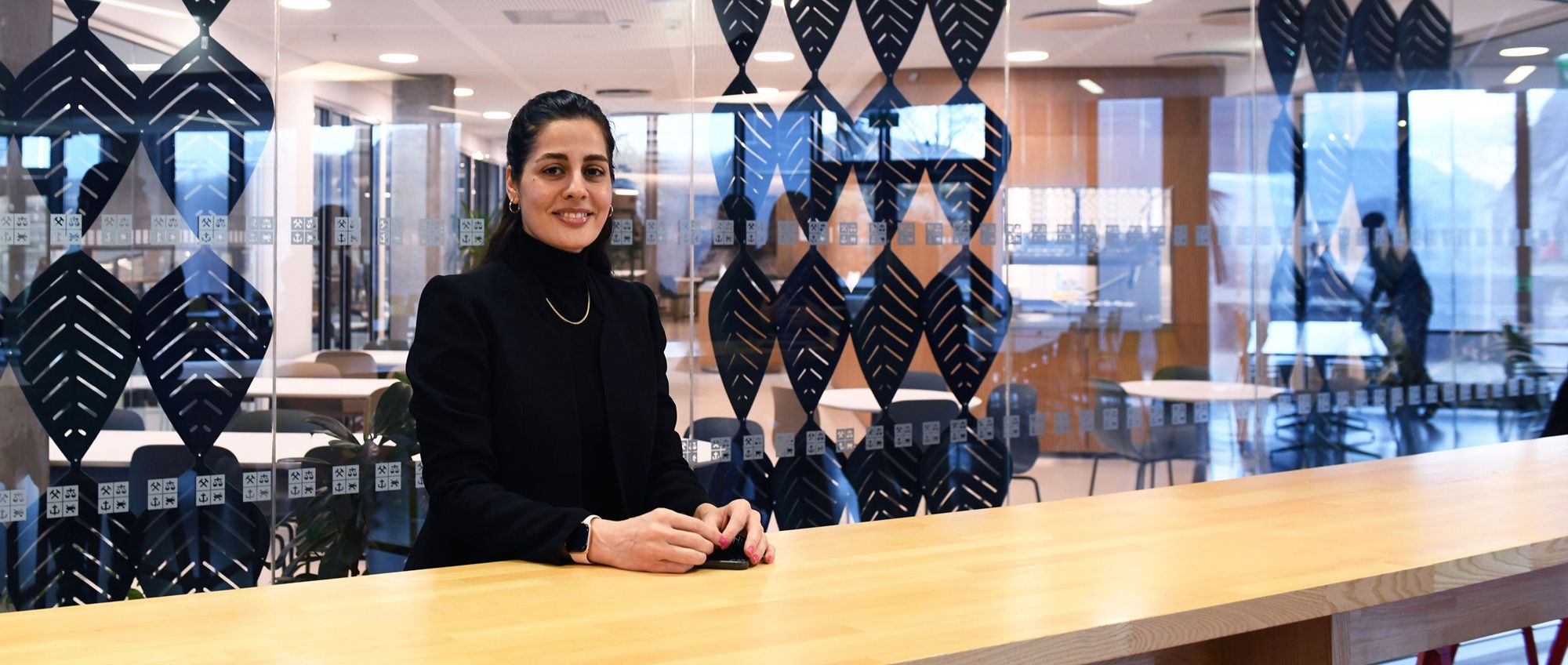
`But literature shows that they are frequently gendered in their design and application.
Crucially, the effects do not stop there.
`When these mechanisms interact, they reinforce each other. Small disadvantages early in a career can compound over time, ´ she says.
The paper highlights how organisations sustain gender inequality through two powerful narratives: meritocracy and the ideal worker.
Small disadvantages early in a career can compound over time.
Yosra AleAhmad
`Meritocracy promises fairness by rewarding performance and effort. But the research reviewed shows that what counts as “merit” is often defined through gendered assumptions´.
The ideal worker, meanwhile, is implicitly expected to be constantly available, fully devoted to work, and unencumbered by caregiving responsibilities – a model that still aligns more closely with traditional male career patterns.
`These discourses give inequality a neutral appearance,” AleAhmad says.
`They help explain why gendered outcomes persist even in organisations that genuinely believe they are fair. ´
Rather than offering a single solution, the paper provides a roadmap for future research and practice. It argues that organisations seeking real gender equality must look beyond isolated initiatives and examine how their control systems work together.
We need to rethink how organisations design and implement control systems.
Yosra AleAhmad
`If we want more gender-inclusive organisations, we need to rethink how organisations design and implement control systems, ´ AleAhmad says.
By shifting attention from individual choices to organisational systems, the study highlights a structural – and often invisible – dimension of gender inequality that remains highly relevant on International Women's Day.