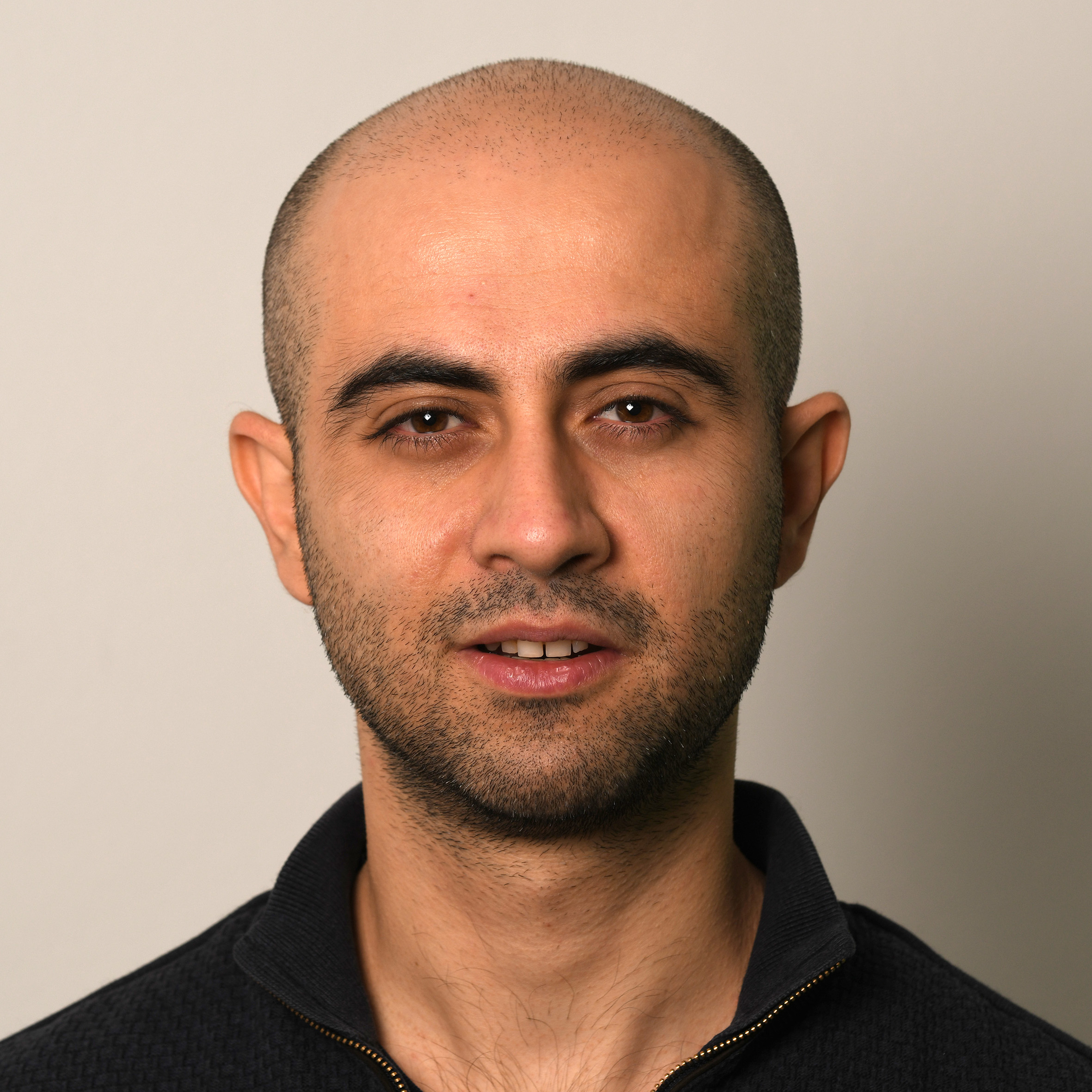
Understanding human behaviour through research
For PhD Research Scholar Esra Aslan, everyday decisions are often shaped by assumptions people do not even realize they have.
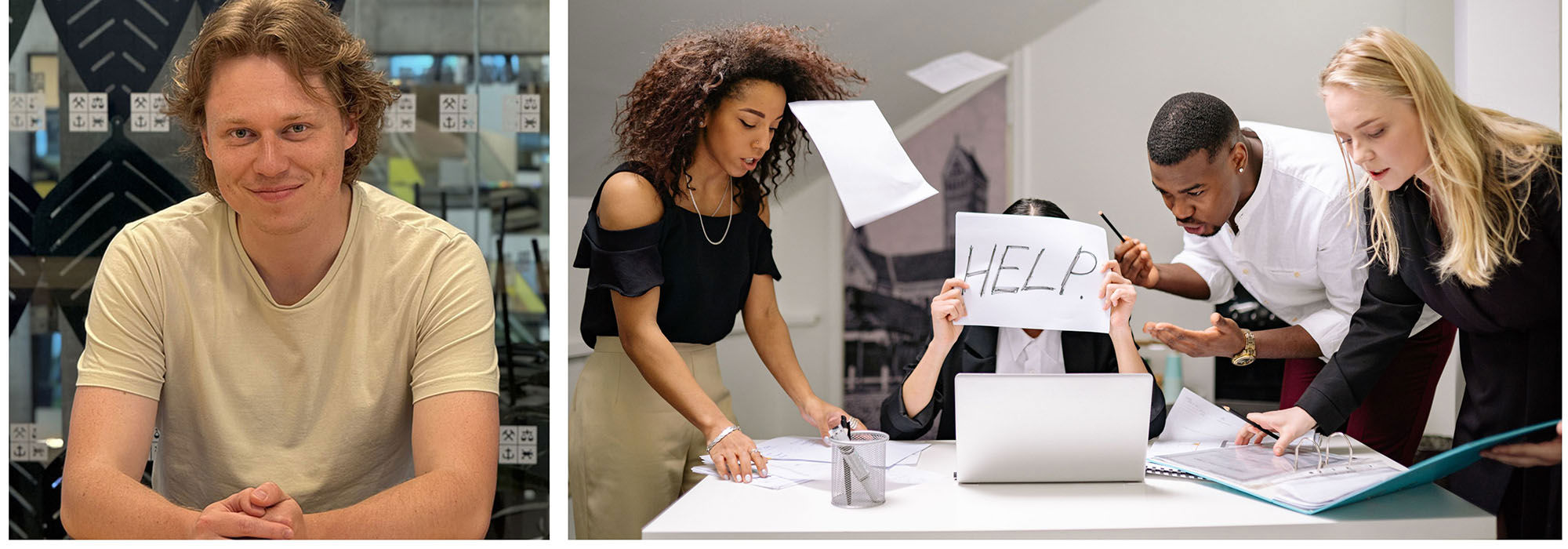
For PhD Research Scholar Silas Braun, some of the most interesting insights into teamwork emerge when collaboration does not go as planned.
Silas Braun is a fourth-year PhD Research Scholar at DIG, studying how mistakes influence relationships, trust, and communication within teams. He is particularly interested in understanding how individuals respond to errors and how these responses affect the people around them.
“I think, in general, something that is always super interesting to look at is when things go wrong. This is especially the case in teams because when working in teams we are obviously totally dependent on others, and they’re dependent on us,” he explains.
Although mistakes are often discussed in terms of prevention and learning, Braun felt that an important aspect was being overlooked. He became interested in the interpersonal dynamics that unfold when something goes wrong: how people react when colleagues admit mistakes, how these reactions influence perceptions of one another, and whether they affect individuals’ willingness to speak up in the future.
Braun reflects on how different experiences with group work have inspired him throughout his life. Whether it was playing football, taking part in bands and orchestras, or group projects in school, he always found himself enjoying working with others. These experiences sparked a broader curiosity about what happens when collaboration does not go as planned.
He illustrates this through an example from football. Imagine a goalkeeper making a costly mistake that leads to a goal. If one teammate immediately criticizes the goalkeeper, that reaction may influence how others perceive both the mistake itself and the goalkeeper’s overall competence. According to Braun, similar processes take place in workplaces, where employees constantly observe and interpret one another’s reactions.
“How do other people’s reactions shape how we see mistakes?” Braun asks. “I think the same dynamics play out in business and work teams, and I find these situations very interesting to look at.”
During his time at DIG, Braun has been actively involved in the research environment beyond his own projects. He coordinated the DIGDeeper master’s thesis programme for several semesters, giving him the opportunity to engage with students and learn about the diverse topics they were exploring. These experiences, combined with the collaborative nature of academic research, have also shaped his own development as a researcher.
“I’ve been lucky to work closely with people who’ve shaped how I think about my research: my supervisors Therese Egeland and Vidar Schei here at DIG, and Steven Whiting, whom I visited at the University of Central Florida during my research stay in Orlando last year. The other PhD students have had a big influence too.”
Braun has also found that his research resonates with both researchers and practitioners because it addresses situations that people encounter in their everyday working lives. As he notes, everyone has made mistakes and seen others make them. Since organizations increasingly focus on psychological safety, Braun believes many people already have a framework for understanding and discussing the questions his research raises. This relevance to everyday experiences and organizational challenges is one of the aspects he finds most rewarding.
As he enters the final stage of his PhD, Braun is focused on completing his doctoral thesis. Looking beyond academia, he sees opportunities to apply his research in practice and help organizations better understand the social consequences of mistakes.