
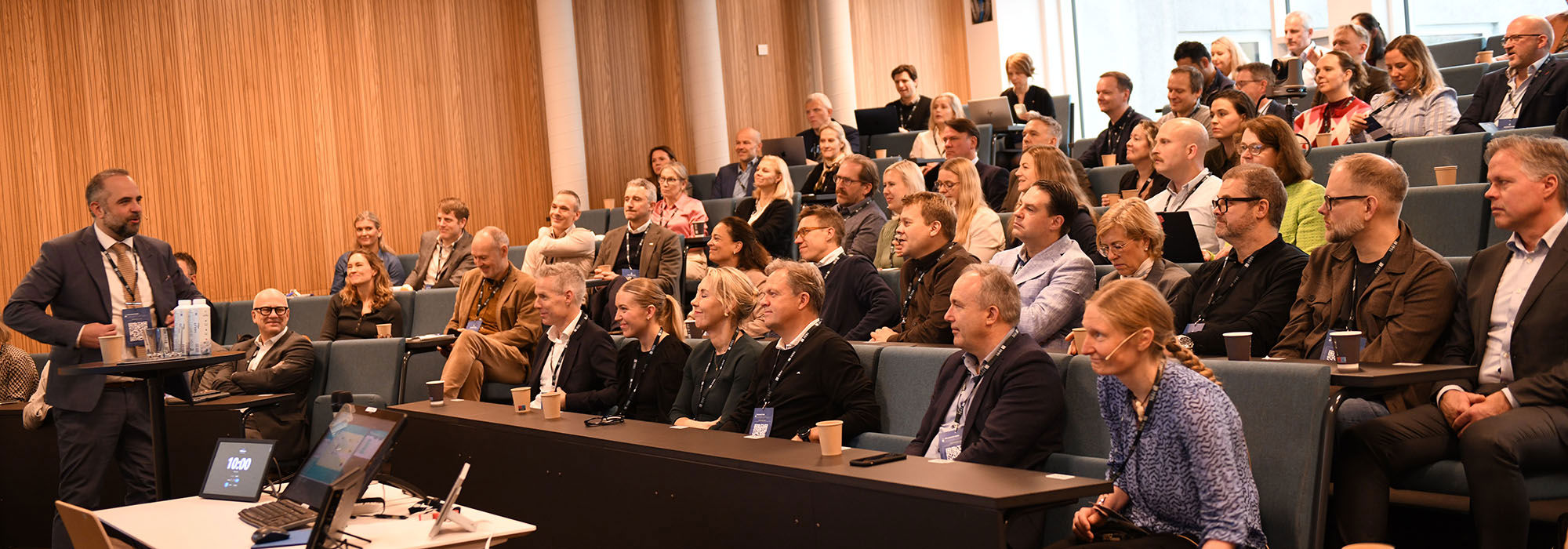
What to expect from the DIG Summit 2026
As digital technologies become increasingly concentrated in the hands of a few global platform companies, questions of technological dependence, strategic autonomy, and geopolitical influence are becoming impossible for leaders to ignore.
Bram Timmermans is the head of DIG and says that this year’s DIG Summit will explore these challenges.
- A small number of global actors now control many of the technologies and platforms that businesses depend on. This affects which markets organizations can access, which technologies they can adopt, and ultimately how much freedom leaders have to shape their own strategies. At DIG Summit 2026, we bring together academia and industry to examine how organizations can navigate a world where technology dependence has become a geopolitical issue, he says.
Read the full program and register for the DIG Summit 2026 here
The academic perspective
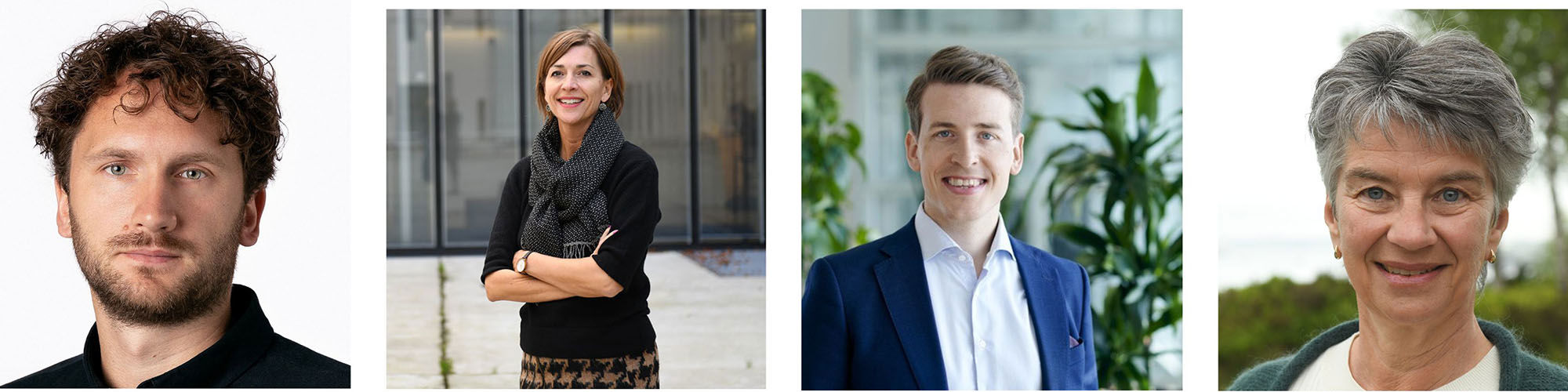
Providing an academic perspective to the issue will be senior researcher Lars Gjesvik of the Norwegian Institute of International Affairs (NUPI) and the research group for security and defence. He will share his thoughts on digital sovereignty in the Nordics.
Professor Inger Stensaker of NHH and DIG will give her perspectives on how to develop the capacity for rapid changes in organizations when the need for strategic sovereignty rises.
Bridging the gap between research and practice
- DIG Summit is where research meets practice. Participants will gain insights from leading scholars as well as experienced practitioners, helping them better understand the challenges businesses face today and identify concrete ideas they can bring back to their own organizations, continues Bram Timmermans.
Addressing these issues at the DIG Summit this year are chief analyst Runar Wiksnes of retail industry association Virke as well as Professor Katarina Kaarbøe of NHH.
Timmermans is particularly looking forward to seeing leaders use the event as an opportunity to step back from everyday demands and engage with new perspectives.
- In a busy world, it is increasingly difficult to keep up with the knowledge that truly matters. I hope to welcome leaders who want to stay ahead of the curve and who leave NHH with fresh insights they can apply directly in their decision-making. Creating that connection between research and practice is what I look forward to most, he concludes.