Two NHH researchers appointed to new Commission
Isabel M. Hovdahl and Linda Nøstbakken have been appointed members of the much-discussed "Transition Commission".
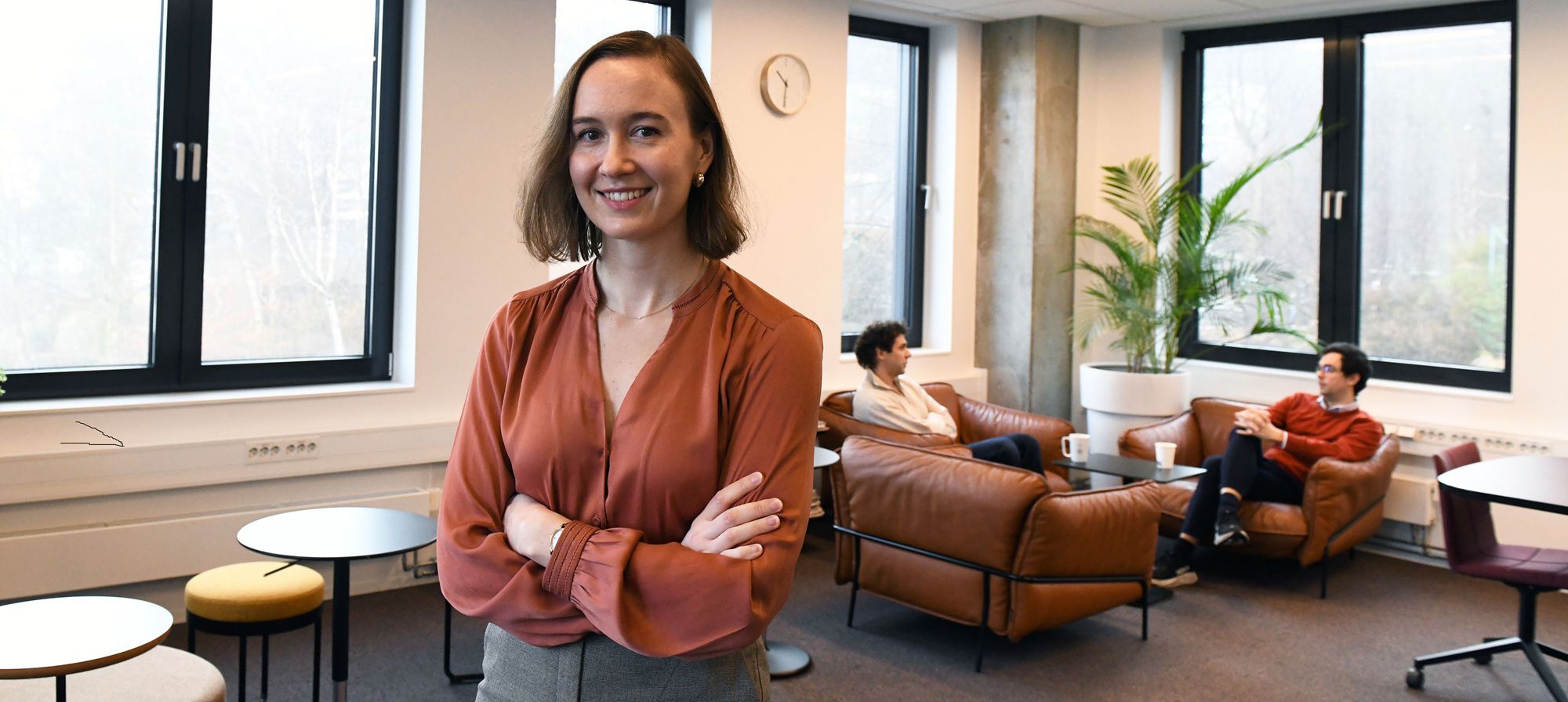
Tove Forsbacka has been awarded the Arnberg Prize for her contribution to research on competition and market dynamics.
`It feels incredibly rewarding and honouring to receive this distinction. ´
Tove Forsbacka received the prize for her thesis The Evolution of Competition: The Role of Institutional Ownership, Measurement, and Regulation.
According to the jury at the Royal Swedish Academy of Sciences, her research on competition, market structure and collusion makes a significant contribution to the field.
`For me, it has always been the questions themselves that have driven me, ´ Forsbacka says.
`There have been major changes in the economy and in society more broadly, yet we still know surprisingly little about how these changes have affected competition in markets. ´
She says the award gives her added motivation to continue working on these questions. In addition to the recognition, the prize comes with SEK 195,000.
Awarded by: The Royal Swedish Academy of Sciences
Purpose: To recognise outstanding research in economics, statistics or technical sciences
Frequency: Awarded annually on a rotating basis across disciplines
Prize amount in 2026: SEK 195,000
Previous recipients include researchers from Stanford, the University of Edinburgh and Stockholm University
Forsbacka joined the Department of Economics at NHH as a postdoctoral researcher in 2024, after completing her PhD at Stockholm School of Economics. Her supervisor there was Professor Richard Friberg, who is also an adjunct professor at NHH.
She also received the Peter Högfeldt Award for Outstanding PhD Thesis.
One of the articles in her thesis examines how competition in a market can be measured. The article has been revised and will soon be published in Review of Economics and Statistics, one of the journals on NHH’s list of top publication outlets.
Another article from the thesis, co-authored with Catarina Marvão and Chloé Le Coq, studies the relationship between competition policy and cartel formation using historical data from Sweden. It has already been published in the International Journal of Industrial Organization.
One topic Forsbacka is particularly interested in is the extensive use of proxy advisors by institutional investors. These are external firms that advise investors on how to vote at shareholder meetings. This is the focus of the first chapter of her thesis.
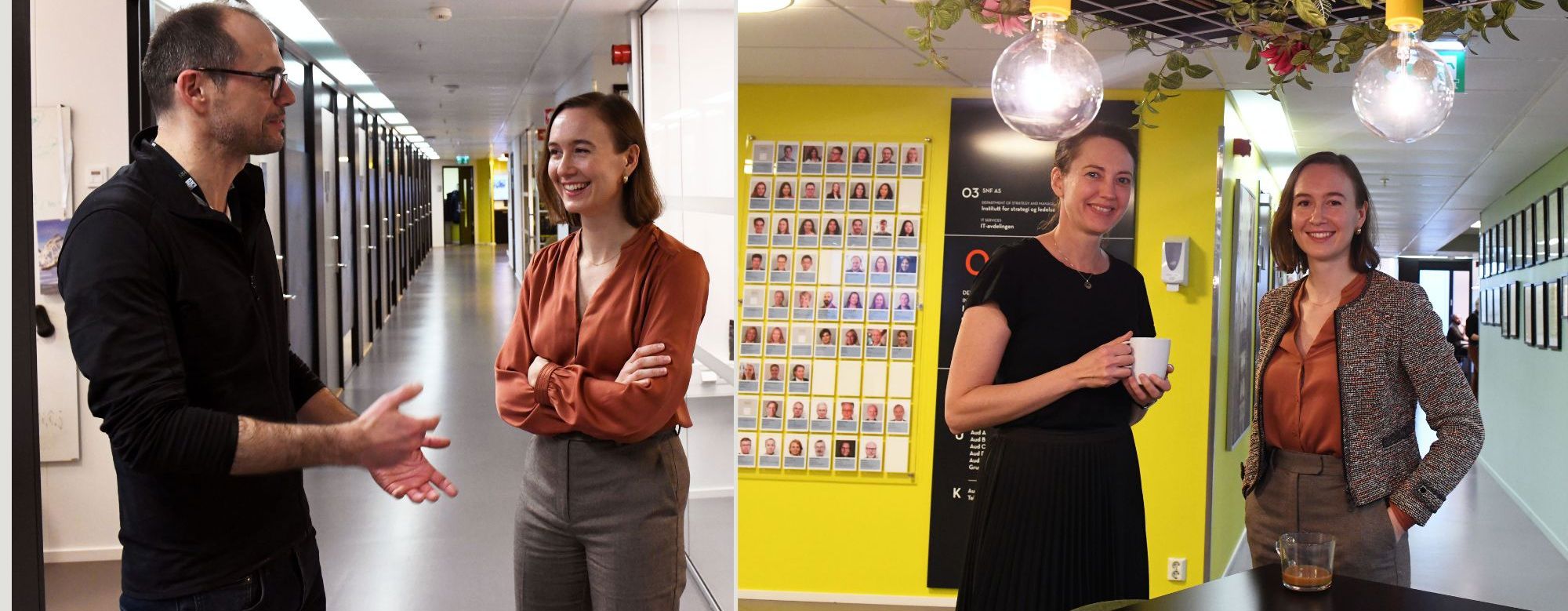
`We need a better understanding of how the use of proxy advisors affects corporate decision-making, how firms interact, and how this in turn shapes market outcomes´, she says.
Forsbacka points to the sharp rise in institutional ownership in recent decades, including pension funds, index funds and mutual funds.
`This increase in institutional capital represents a major structural change. But we still know far too little about what it means for companies and for competition. ´
Forsbacka continues to work on these questions in her current research.
`What I am studying now is closely linked to institutional investors and the way proxy advisors influence decisions, and in turn how companies interact. It is incredibly important that we build more knowledge in this area. ´
One concern, she says, is that a majority of institutional investors rely on the same advisors when voting. The market is dominated by just one or two major players.
`The authorities are aware of this, but we still know too little about what it implies. That is exactly why more research is needed, ´ Forsbacka says.