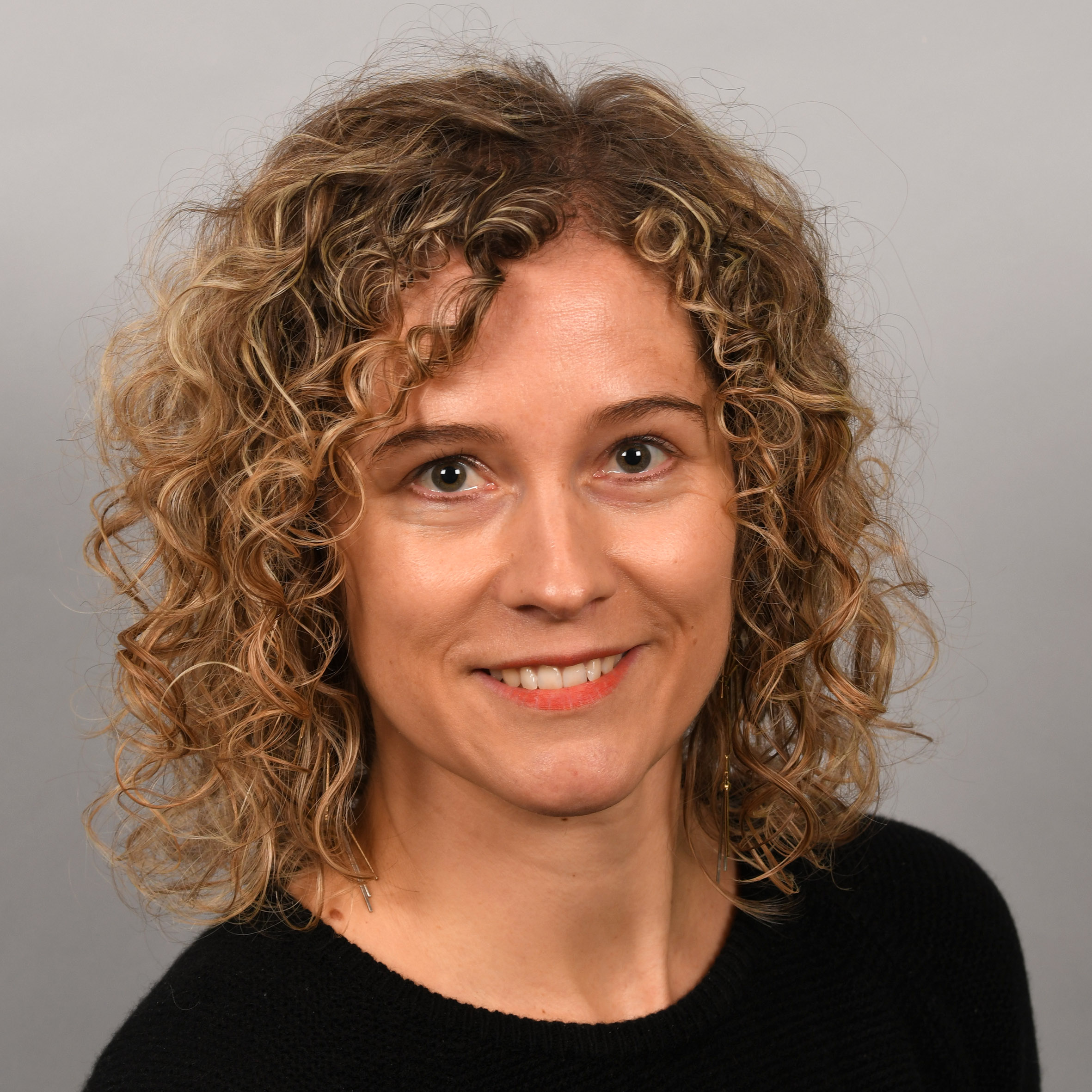
Associate Professor Sofie Decock
- Sofie.Decock@nhh.no
- Telephone
- +47 55 95 90 71
- Department
- Professional and Intercultural Communication
- Office
- D241
- Expertise
- Discourse analysis Intercultural communication Professional and organizational communication Pragmatics Digital communication Multilingualism Gender-inclusive language Language attitudes Accent bias.
Sofie Decock is Associate Professor at the Department of Professional and Intercultural Communication at NHH.
Her research lies at the intersection of applied linguistics, intercultural communication, pragmatics, and discourse analysis, with a particular focus on how communicative choices and linguistic features in professional contexts shape interactions and perceptions. She has published extensively on digital complaint interactions, examining the use, perception, and effects of linguistic and discursive features in online complaints and webcare through a combination of discourse-pragmatic and experimental approaches.
More recently, her research has focused on gender-inclusive language in workplace and public communication. She investigates how gender-inclusive forms are used, interpreted, and evaluated by different groups of language users, taking into account linguistic, cognitive, social, and intercultural dimensions. In addition, her current research addresses accent bias in recruitment contexts.
Her research has been funded by organizations including the Research Foundation Flanders (FWO), the Swiss National Science Foundation, and Ghent University. Prior to joining NHH, she was Associate Professor of Applied Linguistics at Ghent University and spent time as a visiting scholar at the University of Basel and Georgetown University. Her work has appeared in a wide range of international journals, including Journal of Pragmatics, Intercultural Pragmatics, Applied Linguistics, Discourse, Context & Media, Journal of Politeness Research, International Journal of Business Communication, and English for Specific Purposes.
Research interests: discourse analysis; intercultural communication; professional and organizational communication; pragmatics; digital communication; multilingualism; gender-inclusive language; language attitudes; accent bias.