Navigating a PhD: Murat Besili on trial, error, and discovery
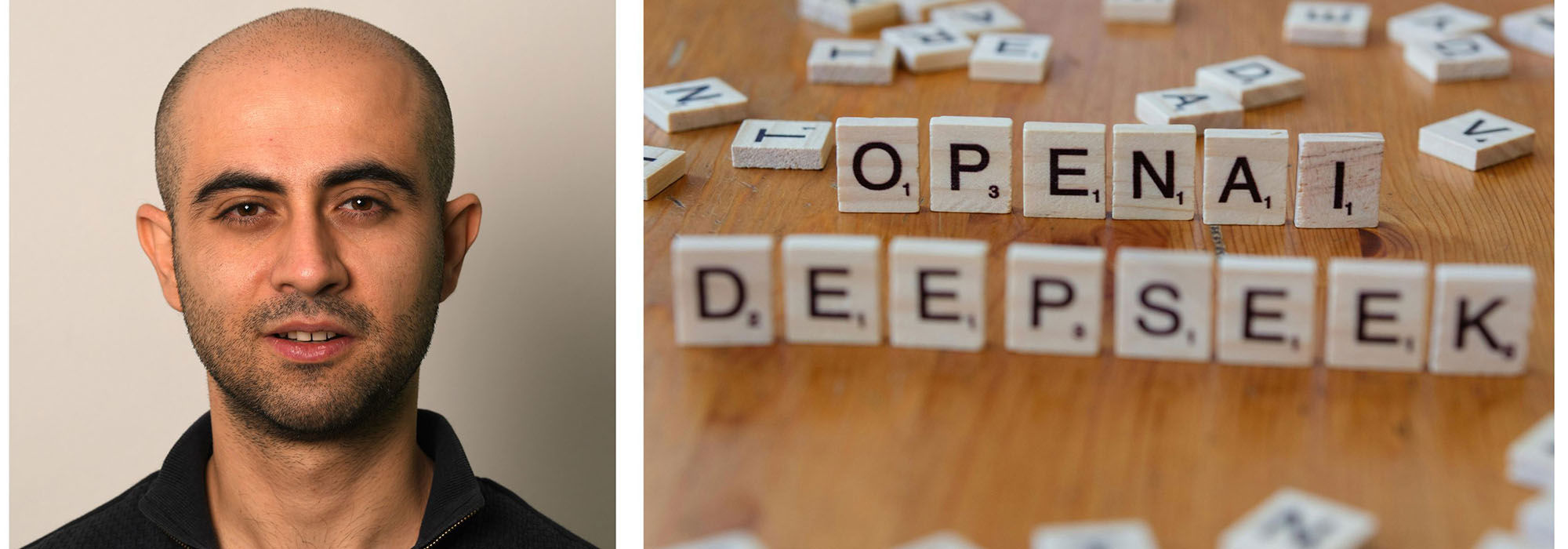
Murat Besili has been developing computational approaches to qualitative research, combining machine learning and large language models (photo: NHH and pexels.com)
Navigating a PhD: Murat Besili on trial, error, and discovery
As he approaches the final stage of his PhD, Murat Besili reflects on his journey at DIG. Besili originally comes from a background in data and digitalization, where he has worked on projects that help organizations make better use of data and technology in their operations.
After several years in industry, he decided to take a step back from his career and moved to Norway. This was initially meant as a break and a chance to reorient.
That decision, then, turned into an academic path, and Besili started a PhD at DIG at NHH. Today, alongside finishing up his PhD, Besili works as a data scientist at Skatteetaten. This allows him to stay closely connected to applied data work.
Finding a research focus
Besili’s interests evolved during the first years of his PhD. Initially, he focused more on the customer side, particularly how users experience frictions. However, over time he became more interested in how strategic frictions shape firms. As Besili engaged more deeply with the literature and discussions with colleagues, his focus gradually sharpened toward questions he found both intellectually challenging and meaningful.
My PhD journey has been both rewarding and demanding, with clear differences between where I started and where I am today. It has been a process of failing, learning, and iterating, gradually developing both the research questions and the tools to address them
Murat Besili
“My work focuses on digital platforms and how they function as a distinct organizational form, coordinating large ecosystems of independent actors through rules, pricing, and algorithms rather than traditional hierarchy,” Besili explains.
In parallel, he has been developing computational approaches to qualitative research, combining machine learning and large language models with interpretive methods to analyze large-scale text data. The aim is to better understand how these platforms govern their ecosystems in practice, while also contributing new methodological tools that are relevant for both academia and practitioners.
Learning through challenge
“My PhD journey has been both rewarding and demanding, with clear differences between where I started and where I am today. It has been a process of failing, learning, and iterating, gradually developing both the research questions and the tools to address them,” Besili says when describing his time at DIG.
He expands further on one of the main challenges he has encountered: the level of independence required from the very beginning. Unlike many roles where responsibilities grow gradually, a PhD requires you to take ownership of complex problems early on. While the duration may seem long, the amount of skill development expected is significant.
At the same time, Besili has found this to be very rewarding. It has both helped him become more independent, develop deeper expertise, and build analytical skills that are transferable across different contexts.
Navigating the path forward
For others who are considering a similar path as him, Besili underlines the importance of having a clear sense of direction early on. This could, for example, involve engaging with academics in your area of interest and spending time reviewing the literature before starting a PhD. According to Besili, this helps clarify both your interests and expectations. However, he also acknowledges that the process is rarely straightforward.
“Everyone’s path is different, and a lot of learning comes through trial and error. In my case, my broad and evolving set of interests made the process more challenging.”
Moving forward, Besili has taken on a role where he can continue developing as a data scientist, particularly working on projects involving large language models. At this stage, he feels that it is important for him to be in an environment where he can both learn from others and contribute meaningfully.
“I see this as a natural continuation of my academic work into applied settings,” he concludes.